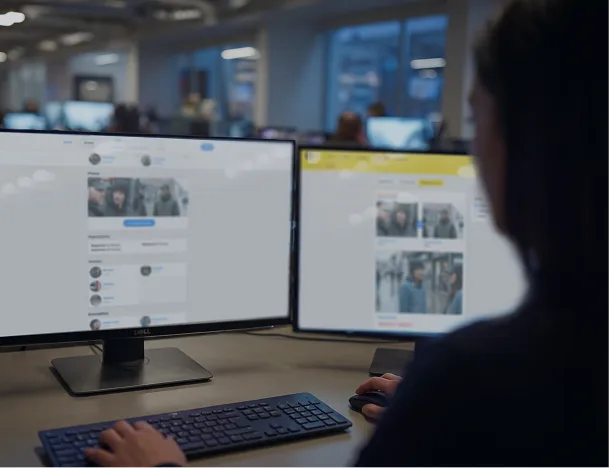
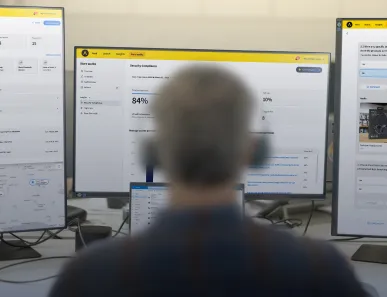





UK retailers saw 10% of retail crime offenders were responsible for 68% of total crime in their stores, with those repeat offenders 3.6X more likely to use a weapon and 3X more likely to be violent, according to data from Auror’s platform.
In the same year, UK retailer Home Bargains reduced violent and aggressive incidents against colleagues by 60% compared to the previous year, even as total reported incidents climbed by 30%.
The difference? Actionable intelligence, a connected ecosystem, and teams empowered to use it.
At Retail Risk Leicester 2025, three of the UK's most respected retail loss prevention leaders came together to share what innovation actually looks like on the ground: the wins, the hard parts, and what’s coming next.
Key takeaways from this episode:
- Getting innovation right starts with stakeholder buy-in. Explaining the "why" early, and clearly, is what turns resistance into momentum.
- The data changes everything. When teams know that 10% of offenders are driving the majority of harm, they can target their response and get real results.
- Empowered frontline teams are a key outcome, not just a byproduct. When guards and store colleagues receive live, actionable intelligence, they take ownership of their role in a new way.
The hardest part of innovation is not the technology
Paul Hollowood, Global Head of Security at Primark, is honest about what slows progress down. New systems and new processes create uncertainty, and not everyone in a business starts from the same place when it comes to colleague safety.
"New systems, new processes [do] create uncertainty within a business across functions. To be able to talk to that, explain the 'why' and understand the risk is really important. And that takes a lot of time."
His advice is to work with governance frameworks rather than against them, engage stakeholders from the very beginning, and always bring the conversation back to the root cause: keeping people safe.
Innovation is not the enemy of compliance. In the case of Auror’s privacy by design approach to responsible facial recognition technology, the two reinforce each other.
Who’s causing the majority of harm in stores
Before Home Bargains had an intelligent incident reporting platform, they didn’t know who was causing the most harm in their stores. Now they do.
"Actionable intelligence tells us that 56% of our total loss reported is from 10% of our offender base. Now we know who it is that's targeting us, who's causing us the most harm, and we can support the police investigations… stopping them from offending."
John Ward, Head of Profit Protection at Home Bargains, describes technology like Auror and facial recognition as central to achieving that 60% reduction in violent incidents. Better data leads to better policing outcomes, which removes repeat offenders from stores altogether.
At Morrisons, Ben McDonald reports an even higher concentration of harm: 81% of crime committed by just 10% of offenders. Since rolling out Auror across a section of their store network, the value and volume of investigations passed to police has doubled.
What happens when frontline teams feel they belong
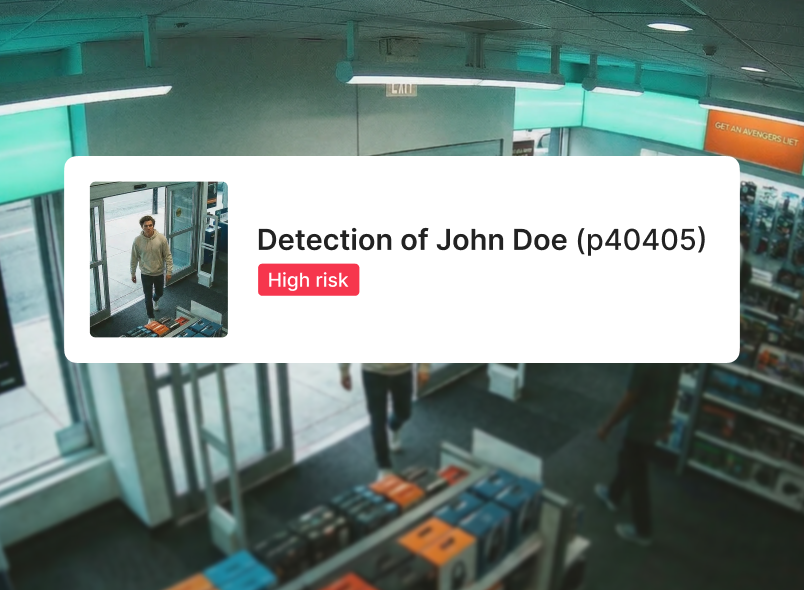
One of the most powerful moments in the conversation comes from Ben McDonald describing what has changed for security guards on the shop floor. They now receive live intelligence from nearby stores, current images, and real-time updates on persons of interest.
"The guards themselves feel empowered because they are getting intelligence that is from local stores that's been passed to them. They're preventing offenders from entering their store, and they see it as their store. They are buying into the role, what their purpose is in that role."
That shift in ownership matters. It doesn’t just lead to better outcomes but team members feeling satisfied in their roles, knowing they are making a difference.
The retailers on this panel are at different points in their innovation journeys, but they share a common thread: technology works when it is built around people and safety in mind, governed with care, and connected to a clear purpose.
Watch the full episode to hear what each panelist is most excited about for the next twelve months, and why the intelligence layer underneath all of this innovation is what makes it sustainable.


.png)